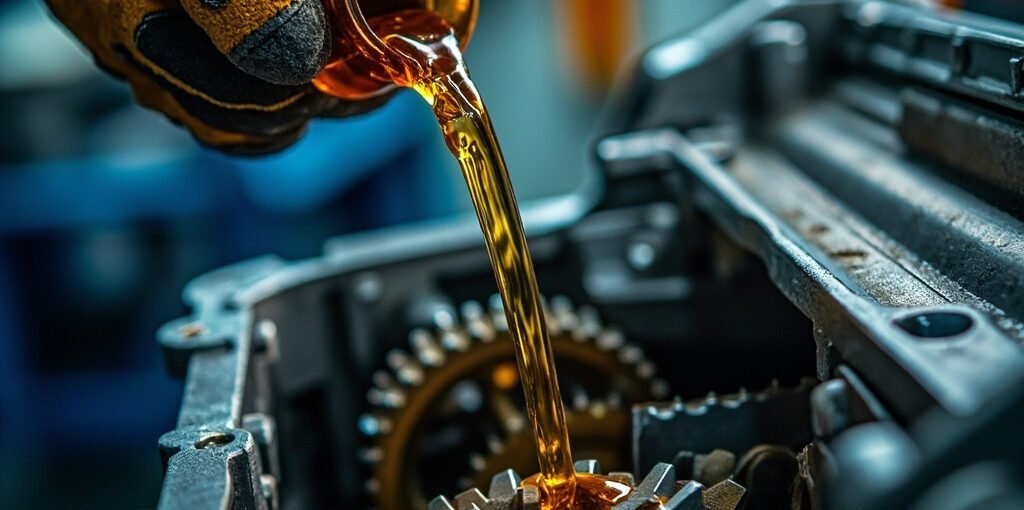
A well-maintained gearbox can last decades, but neglected lubrication is the silent killer of industrial and automotive drivetrains. Establishing and following a proper gearbox lubrication schedule is not just a maintenance recommendation—it’s a critical operational requirement that protects your investment, prevents unexpected downtime, and ensures optimal performance under varying load conditions. Whether you’re operating a small passenger vehicle transmission or a massive industrial mill gearbox, the principles of scheduled lubrication remain consistent, though intervals and lubricants may vary dramatically based on application demands.
This comprehensive guide covers everything you need to know about creating and maintaining an effective gearbox lubrication schedule, including industry-standard intervals, lubricant selection, warning signs, and step-by-step procedures that will help you maximize the lifespan of your mechanical equipment.
Why Gearbox Lubrication Matters
Gearboxes operate under extreme conditions involving high pressure, heat, friction, and contamination. The lubricant serves multiple critical functions simultaneously:
- Film Formation: Creates a hydrodynamic or boundary film between meshing gear teeth to prevent metal-to-metal contact and wear.
- Heat Dissipation: Carries away thermal energy generated during operation, preventing component overheating and oil degradation.
- Contamination Control: Suspends wear particles and debris, allowing them to be filtered out before causing damage.
- Corrosion Prevention: Coats internal surfaces with protective films that prevent rust formation during downtime.
- Seal Conditioning: Maintains flexibility in elastomeric seals, preventing leaks and ingress of contaminants.
Without adequate lubrication, gear teeth will scuff, bearings will fail prematurely, and catastrophic breakdowns become inevitable. The cost of scheduled lubrication is always a fraction of the cost of unplanned downtime and replacement parts.
Key Factors That Influence Lubrication Intervals
There is no universal lubrication schedule that applies to every gearbox. Several operating and environmental factors directly impact how frequently you should change or top off gear oil:
- Operating Temperature: Each 10°C increase above baseline can halve lubricant life due to accelerated oxidation.
- Load Severity: Shock loads and continuous high-torque applications break down additives faster.
- Duty Cycle: Continuous operation demands more frequent service than intermittent use.
- Environmental Contamination: Dust, moisture, and chemical exposure shorten oil life significantly.
- Lubricant Type: Synthetic oils typically last 2-3 times longer than mineral-based equivalents.
- Seal Condition: Compromised seals allow contamination and leaks, requiring more frequent intervention.
Standard Gearbox Lubrication Schedule by Application
The following table outlines recommended lubrication intervals across common gearbox applications. Always verify these recommendations against your equipment manufacturer’s specifications, as design variations may require adjustments.
| Gearbox Type | Mineral Oil Interval | Synthetic Oil Interval | Recommended Viscosity |
|---|---|---|---|
| Automotive Manual Transmission | 30,000 – 60,000 miles | 60,000 – 100,000 miles | SAE 75W-90 / 80W-90 |
| Differential (Rear Axle) | Every 30,000 miles | Every 50,000 – 100,000 miles | SAE 75W-140 |
| Industrial Helical Gearbox | 2,000 – 4,000 hours | 8,000 – 12,000 hours | ISO VG 220 – 460 |
| Worm Gearbox | 1,000 – 2,000 hours | 4,000 – 8,000 hours | ISO VG 320 – 680 |
| Heavy-Duty Mining Gearbox | 500 – 1,500 hours | 3,000 – 6,000 hours | ISO VG 460 – 680 |
| Wind Turbine Gearbox | N/A (typically synthetic) | 18,000 – 24,000 hours | ISO VG 320 – 460 |
| Marine Gearbox | 1,000 – 2,000 hours | 4,000 – 6,000 hours | ISO VG 100 – 220 |
Step-by-Step Gearbox Lubrication Procedure
Following a consistent procedure ensures that lubrication services are performed correctly and safely every time:
Step 1: Preparation and Safety
Lock out and tag out the equipment per OSHA standards. Allow the gearbox to cool to a safe handling temperature below 50°C (122°F). Gather the correct lubricant grade, clean containers, funnels, and personal protective equipment including nitrile gloves and safety glasses.
Step 2: Drain Old Lubricant
Position a drain pan beneath the drain plug. Remove the plug and allow complete drainage. While draining, inspect the oil color and consistency—milky oil indicates water ingress, while black gritty oil signals severe contamination and possible internal damage.
Step 3: Clean and Inspect
Wipe the magnetic drain plug clean of metal shavings. Excessive ferrous particles may indicate gear or bearing wear requiring further inspection. Remove the breather and clean or replace it according to manufacturer specifications.
Step 4: Refill with Fresh Lubricant
Using a clean funnel, fill through the designated fill port until oil reaches the correct level on the sight glass or dipstick. Never mix different lubricant brands or chemistries unless explicitly approved by the manufacturer.
Step 5: Document and Test
Log the service date, lubricant type, quantity added, and any observations. Run the equipment briefly and check for leaks, unusual noise, or temperature spikes before returning to full service.
⚠️ Critical Maintenance Warning
Never exceed manufacturer oil change intervals or mix incompatible lubricant chemistries. Mixing EP (extreme pressure) gear oils with different additive packages can cause additive precipitation, sludge formation, and catastrophic gear scoring. Additionally, overfilling a gearbox causes churning, foaming, overheating, and seal blowout—always fill to the exact specified level marked on the sight glass or dipstick. When in doubt, consult the OEM technical manual before performing any service.
Warning Signs That Your Gearbox Needs Immediate Attention
Even with a strict schedule, monitoring for these symptoms can prevent catastrophic failures between services:
- Unusual Noises: Whining, grinding, or knocking sounds often indicate inadequate lubrication or worn components.
- Excessive Heat: Housing temperatures above 80°C (176°F) suggest lubricant breakdown or insufficient cooling.
- Visible Leaks: Oil stains around seals or gaskets indicate compromised sealing requiring prompt repair.
- Discolored Oil: Milky appearance suggests water contamination; black color indicates oxidation or carbon buildup.
- Vibration Changes: New or worsening vibrations may signal bearing failure triggered by lubrication issues.
Best Practices for Long-Term Gearbox Reliability
Beyond scheduled lubrication, several practices dramatically extend gearbox service life and reduce total ownership costs:
- Implement Oil Analysis Programs: Routine spectrographic oil analysis detects wear metals and contamination trends before failures occur.
- Use Condition Monitoring: Vibration analysis and thermal imaging provide early warning of developing problems.
- Maintain Clean Environment: Keep breather filters clean and replace them at recommended intervals to prevent particulate ingress.
- Train Maintenance Personnel: Ensure technicians understand lubricant compatibility, proper filling procedures, and safety protocols.
- Store Lubricants Properly: Keep oils sealed in their original containers, away from moisture, contamination, and extreme temperatures.
- Track Service History: Maintain detailed records of every lubrication service to identify trends and validate intervals.
Categories
-

Timing Belt Selection: Pitch, Width, Tension and Life
September 16, 2026 -

Sterilization Equipment Communication: Protocols and Best Practices
September 14, 2026 -

Packaging System Communication: A Complete Guide
September 12, 2026 -

PVT Motion Mode: How to Enable and Use It for Optimal Performance
September 10, 2026 -