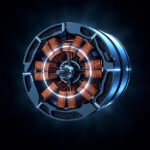
Cogging torque, also known as detent torque or no-current torque, is one of the most important phenomena in the design and operation of electric motors and generators. Whether you are an electrical engineer, a mechanical designer, or simply someone curious about how motors behave, understanding cogging torque is essential. It directly impacts motor smoothness, vibration, noise, and overall efficiency. In this in-depth guide, you will learn the complete cogging torque definition, the physics behind its generation, the factors that influence it, its effects on performance, and the most common methods used by engineers to reduce it.
What Is Cogging Torque?
Cogging torque is the unwanted torque ripple produced in permanent magnet (PM) motors and generators when there is no current flowing through the windings. It arises solely from the interaction between the permanent magnets on the rotor and the iron teeth of the stator. As the rotor turns, the magnetic flux distribution fluctuates because the magnetic attraction between the magnets and stator teeth varies with angular position. This variation creates a torque that alternately resists and assists rotation, producing a characteristic “cogging” or jerky motion.
The official cogging torque definition used in the IEEE standards describes it as “the torque required to rotate the rotor of an unexcited motor, due to the attraction between the permanent magnets and the stator slots.” It is measured in Newton-meters (Nm) and is plotted as a function of rotor angle to reveal its periodic peaks and valleys.
How Cogging Torque Is Generated
Cogging torque originates from the fundamental electromagnetic interaction between the rotor magnets and the slotted stator core. When a permanent magnet aligns with a stator tooth, magnetic reluctance reaches a minimum and the magnetic energy is at its lowest. As the rotor moves slightly away, the system must overcome the magnetic attraction, producing a torque that pulls the rotor back toward the aligned position. This repeating cycle as the rotor turns creates a pulsating torque pattern.
- Magnetic Flux Variation: As the rotor rotates, the magnetic flux linking each stator tooth changes periodically.
- Reluctance Change: The reluctance of the magnetic circuit varies with rotor position due to the slots in the stator.
- Energy Minimization: The system tends to settle in a position of minimum magnetic energy, creating stable and unstable equilibrium points.
- Resulting Pulsation: This produces a periodic torque with a frequency proportional to the number of slots and pole pairs.
Key Factors That Influence Cogging Torque
Several design parameters affect the magnitude of cogging torque. Understanding these factors helps engineers minimize the effect during the design phase:
- Slot-Pole Combination: The ratio of stator slots to rotor poles heavily influences cogging. A common multiple between the two amplifies it, while a fractional or well-chosen ratio reduces it.
- Air Gap Length: A larger air gap weakens magnetic attraction, thus reducing cogging torque but also reducing torque output.
- Magnet Shape and Magnetization: Skewed, arc-shaped, or Halbach-array magnets produce smoother flux distribution.
- Stator Slot Opening: Narrower slot openings reduce flux variation and lower cogging torque.
- Stator and Rotor Skewing: Skewing the stator slots or rotor magnets by one slot pitch effectively cancels harmonic components.
Effects of Cogging Torque on Motor Performance
Cogging torque has both negative and, in some cases, beneficial effects depending on the application. The table below summarizes the most common impacts:
| Effect | Description | Application Impact |
|---|---|---|
| Torque Ripple | Periodic fluctuations in output torque | Reduces smoothness in servo motors |
| Acoustic Noise & Vibration | Mechanical pulsations radiate sound | Critical in EVs, robotics, and appliances |
| Starting Difficulty | Rotor may lock at low applied voltage | Concern in direct-on-line small motors |
| Speed Oscillation | Non-uniform rotation at low speeds | Hurts precision in CNC and robotics |
| Position Holding | Provides holding torque at zero current | Useful in stepper motors |
Proven Methods to Reduce Cogging Torque
Engineers have developed multiple strategies to mitigate cogging torque without sacrificing overall motor performance. The most widely adopted techniques include:
- Stator Skewing: Tilting stator slots by one slot pitch dramatically lowers the fundamental cogging harmonic.
- Magnet Shaping: Using arc-shaped or bread-loaf magnets produces a more sinusoidal air-gap flux density.
- Fractional Slot/Pole Combinations: Choosing non-integer ratios (e.g., 10 slots / 6 poles) prevents constructive harmonic addition.
- Slotless or Ironless Stators: Eliminating the stator teeth removes the source of cogging entirely, at the cost of reduced torque density.
- Asymmetric Pole Pairs: Slightly varying the angular width of each magnet cancels low-order harmonics.
Cogging Torque vs. Other Torque Phenomena
Cogging torque is often confused with two other motor-related torques: coulomb friction torque and reluctance torque. The table below clarifies the differences:
| Torque Type | Origin | Present Without Current? |
|---|---|---|
| Cogging Torque | Magnet-to-slot interaction | Yes |
| Reluctance Torque | Variation in magnetic reluctance (saliency) | No, requires excitation |
| Coulomb Friction Torque | Mechanical friction in bearings | Yes |
Applications Where Cogging Torque Matters Most
Cogging torque plays a critical role in several modern industries, including:
- Electric Vehicles (EVs): Excessive cogging produces NVH (Noise, Vibration, Harshness) issues that affect driver comfort.
- Robotics & CNC Machines: Low-speed precision depends on the absence of cogging-induced jerks.
- Wind Turbine Generators: Cogging torque affects startup behavior and grid synchronization.
- Consumer Appliances: Quieter washing machines and refrigerators rely on low-cogging motors.
Final Thoughts on Cogging Torque
Understanding the cogging torque definition, its root causes, and its consequences is the first step toward designing high-performance electric machines. From precision robotics to next-generation