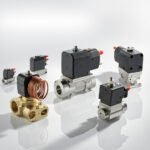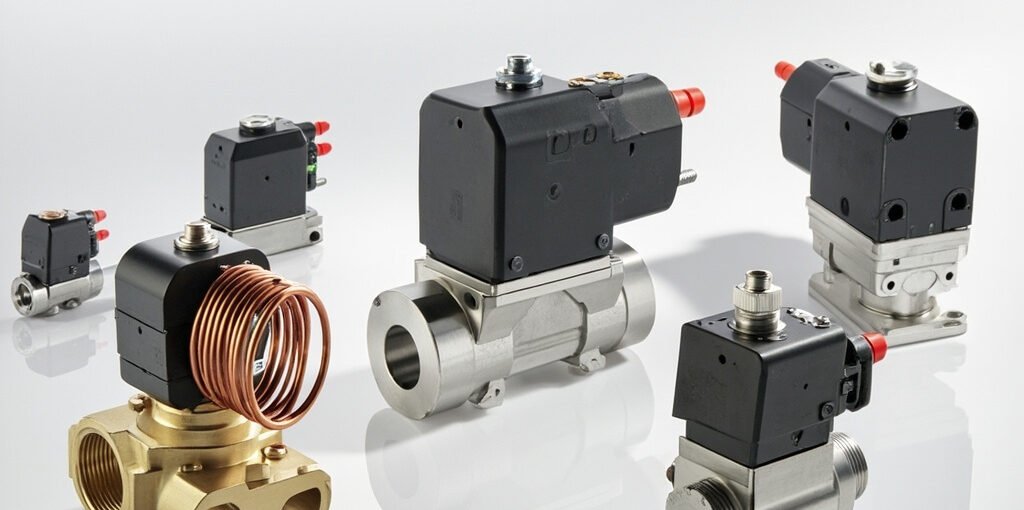
Selecting the right solenoid valve is a critical decision that directly impacts the efficiency, safety, and longevity of fluid control systems across industrial, commercial, and residential applications. Whether you are designing a new automation system, upgrading existing equipment, or troubleshooting a failing component, understanding the fundamentals of solenoid valve selection can save significant time and money. This comprehensive guide walks you through every essential factor, from operational principles and valve types to material compatibility and environmental considerations, helping you make an informed purchasing decision.
What Is a Solenoid Valve and How Does It Work?
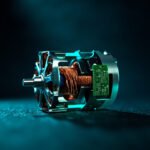
A solenoid valve is an electromechanically operated valve that uses an electric current through a solenoid coil to control the flow of liquids or gases. When energized, the magnetic field generated by the coil moves a plunger or armature, which either opens or closes the valve orifice. When de-energized, a spring typically returns the valve to its default position.
These valves are widely used in industries such as water treatment, oil and gas, HVAC, food and beverage, medical equipment, and chemical processing, due to their fast response times, reliability, and ability to be controlled remotely.
Main Types of Solenoid Valves
Before selecting a valve, it is essential to understand the different operating configurations available. Each type serves a specific function within a fluid control system.
- 2-Way Solenoid Valves: The most common type, featuring one inlet and one outlet. They are used for simple on/off control of fluid flow.
- 3-Way Solenoid Valves: Have three ports and two positions, ideal for diverting flow between two outlets or mixing fluids from two inlets.
- 4-Way Solenoid Valves: Commonly used to control double-acting pneumatic cylinders, providing two outlet ports and two exhaust ports.
- Direct-Acting Valves: Operate without minimum pressure requirements and are suitable for low-pressure applications.
- Pilot-Operated Valves: Use system line pressure to assist operation, ideal for high-flow applications but require minimum pressure differential.
Key Selection Criteria for Solenoid Valves
Choosing the correct solenoid valve involves evaluating multiple parameters simultaneously. Below are the most important factors to consider during the selection process.
1. Fluid Type and Compatibility
The media being controlled is the first consideration. Water, air, steam, oils, chemicals, and gases each have unique properties that affect seal and body material selection. Stainless steel, brass, and engineering plastics are common body materials, while seal materials such as NBR, EPDM, Viton (FKM), and PTFE offer varying chemical and temperature resistance.
2. Pressure and Flow Requirements
Determine the minimum and maximum operating pressure along with the required flow rate, typically measured in Cv (coefficient of flow) or Kv values. Choosing a valve with insufficient pressure rating can cause leakage or failure, while oversizing leads to unnecessary costs.
3. Voltage and Electrical Considerations
Solenoid valves are available in various voltage ratings including 12V DC, 24V DC, 110V AC, and 220V AC. Ensure compatibility with your control system and consider whether a weatherproof or explosion-proof coil is required for hazardous environments.
4. Temperature Range
Both ambient and media temperatures must be within the valve’s rated limits. Standard solenoid valves typically operate between -10°C and 80°C, while specialized models can handle extreme conditions from cryogenic temperatures to over 200°C.
Comparison Table: Common Solenoid Valve Materials
| Material | Best For | Max Temperature | Cost Level |
|---|---|---|---|
| Brass | Water, air, light oils | Up to 120°C | Low |
| Stainless Steel (304/316) | Corrosive chemicals, food, pharma | Up to 180°C | High |
| PVC / Plastic | Irrigation, mild chemicals | Up to 60°C | Very Low |
| Aluminum | Pneumatic systems | Up to 100°C | Medium |
Application-Specific Considerations
Different industries impose unique demands on solenoid valves. Food and beverage applications often require FDA-approved seals and stainless steel construction. Hazardous area installations demand ATEX or IECEx-certified explosion-proof coils. Medical and laboratory systems need clean, contamination-free designs with biocompatible materials. Always match the valve certification to the regulatory environment of your application.
Common Solenoid Valve Selection Mistakes to Avoid
- Ignoring pressure differential: Pilot-operated valves require a minimum pressure differential to function properly. Installing one in a low-pressure system can prevent the valve from opening.
- Choosing the wrong seal material: Using NBR seals with steam or hot oil can lead to rapid deterioration and leaks.
- Undersizing the flow capacity: A valve with too low a Cv rating creates excessive pressure drop and reduced system performance.
- Overlooking duty cycle: Continuous-duty solenoids are designed for extended energization, while general-purpose coils may overheat if left powered on for long periods.
- Neglecting environmental protection: Outdoor or washdown environments require IP65, IP67, or higher ingress protection ratings.
Always install a strainer or filter upstream of your solenoid valve. Debris and particulates are the leading cause of solenoid valve failure, accounting for over 60% of premature breakdowns. A simple inline filter costing a few dollars can extend valve life by years and prevent costly downtime.
Maintenance and Lifespan Optimization
Even the best solenoid valve requires routine maintenance to deliver reliable long-term performance. Implement a scheduled inspection program that includes checking coil resistance, verifying voltage supply, cleaning the strainer, and inspecting seals for wear. Most quality solenoid valves offer a service life of 1 to 5 million cycles, depending on operating conditions and media cleanliness.
Additionally, log cycle counts and operating hours to predict replacement timing before a failure occurs. Predictive maintenance is far more cost-effective than reactive repairs, especially in mission-critical systems.
Conclusion: Making the Right Choice
Successful solenoid valve selection requires balancing fluid compatibility, pressure requirements, electrical specifications, environmental conditions, and budget. By systematically evaluating each factor and consulting manufacturer datasheets, you can identify a valve that delivers optimal performance and reliability for your specific application. Remember that the cheapest option is rarely the most cost-effective over the lifecycle of a system, and investing in quality components pays dividends through reduced downtime, lower maintenance costs, and improved operational safety.
For complex or high-stakes applications, consider working with a fluid control specialist who can provide engineering support, custom configurations, and comprehensive technical documentation to ensure your solenoid valve system performs flawlessly for years to come.