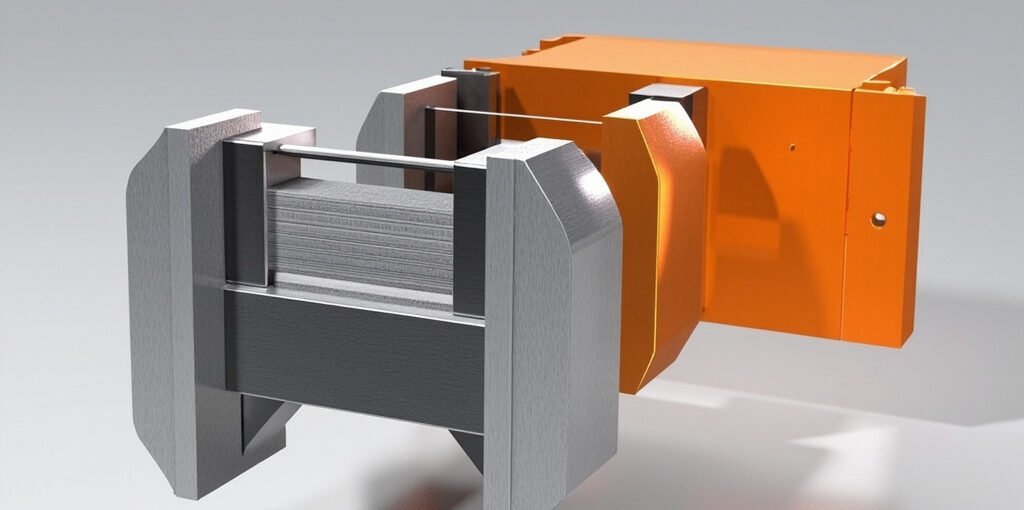
In modern manufacturing, quick change fixture design has emerged as a game-changing approach to reduce setup times, improve productivity, and enhance operational flexibility. As production environments shift toward high-mix, low-volume manufacturing, the ability to rapidly switch tooling and fixtures has become a critical competitive advantage. This comprehensive guide explores the principles, components, benefits, and best practices of designing quick change fixtures that meet the demands of today’s fast-paced industrial landscape.
A quick change fixture is a work-holding device engineered to allow operators to swap out tooling, components, or entire fixture assemblies in a fraction of the time required by traditional fixturing methods. By integrating standardized locating systems, modular components, and ergonomic features, these fixtures dramatically reduce non-productive time and support lean manufacturing initiatives.
What is Quick Change Fixture Design?
Quick change fixture design refers to the engineering methodology used to create work-holding devices that can be rapidly interchanged on a machine tool or assembly station. Unlike conventional fixtures, which often require extensive disassembly, realignment, and recalibration, quick change fixtures rely on standardized interfaces, repeatable locating schemes, and modular construction.
The core philosophy centers on minimizing setup time while maintaining—or even improving—repeatability and precision. This is typically achieved through the use of precision locating pins, clamping systems, and palletized interfaces that can be engaged and disengaged without tools or with minimal tool usage.
Key Benefits of Quick Change Fixture Design
Implementing a well-designed quick change fixture system delivers measurable improvements across multiple operational metrics. The most significant benefits include:
- Reduced Setup Time: Setup reductions of 70% to 90% are commonly achieved, transforming hours of downtime into minutes of productive operation.
- Improved Machine Utilization: With less time spent on changeovers, machine availability increases significantly, often boosting Overall Equipment Effectiveness (OEE) by 15% to 25%.
- Enhanced Flexibility: Manufacturers can respond to customer demands for smaller batch sizes and product variants without sacrificing efficiency.
- Better Quality Consistency: Standardized locating systems ensure repeatable positioning, reducing variation between setups and improving part quality.
- Lower Labor Costs: Operators spend less time on manual setup tasks, freeing them for higher-value activities.
- Improved Safety: Ergonomic designs reduce the physical strain on operators during changeovers.
Essential Components of a Quick Change Fixture System
A complete quick change fixture system typically includes several integrated components working together to deliver rapid, repeatable performance.
- Subplates and Pallet Systems: Standardized mounting interfaces that allow the fixture base to dock with the machine table quickly.
- Locating Elements: Precision pins, bushings, and dowels that ensure repeatable positioning within 0.0005″ or tighter tolerances.
- Clamping Mechanisms: Pneumatic, hydraulic, or mechanical clamps that secure workpieces rapidly and consistently.
- Modular Workholding: Adjustable vises, clamps, and supports that can be repositioned for different parts.
- Identification and Tracking: Barcodes, RFID tags, or color-coding systems for managing multiple fixture variants.
Comparing Traditional vs. Quick Change Fixtures
Understanding the differences between traditional and quick change approaches helps quantify the value of this design philosophy.
| Feature | Traditional Fixture | Quick Change Fixture |
|---|---|---|
| Setup Time | 30 minutes to 4+ hours | 1 to 15 minutes |
| Repeatability | ±0.002″ to ±0.005″ | ±0.0005″ to ±0.001″ |
| Tools Required | Multiple wrenches and tools | Often tool-free or single tool |
| Operator Skill | Highly skilled required | Minimal training needed |
| Initial Cost | Lower upfront | Higher upfront |
| Long-term ROI | Limited | Significant and ongoing |
Design Principles for Effective Quick Change Fixtures
Creating an effective quick change fixture requires adherence to several core design principles. Following these guidelines ensures that the fixture delivers consistent performance and maximum return on investment.
1. Standardize the Interface
The most fundamental principle is establishing a standardized mounting interface. Whether using a zero-point clamping system, dedicated subplate pattern, or pallet interface, all fixtures must share the same mounting geometry. This standardization is what enables true interchangeability across different parts and operations.
2. Prioritize Repeatability
Repeatability is the cornerstone of quick change design. Every time a fixture is mounted, it must return to the exact same position with minimal deviation. This is achieved through hardened, ground locating surfaces, precision dowel pins, and robust clamping forces that eliminate play and micro-movement.
3. Apply the 3-2-1 Locating Principle
The 3-2-1 locating principle—three points on the primary plane, two on the secondary plane, and one on the tertiary plane—should be applied to both the fixture-to-machine interface and the workpiece-to-fixture interface. This ensures complete constraint in all six degrees of freedom while avoiding over-constraint that could cause distortion.
4. Design for Ergonomics
Quick change fixtures should be lightweight enough for safe handling, with features like handles, lifting points, and roller bearings on heavy components. Where possible, integrate mechanical advantages such as cam locks or toggle clamps that require minimal force to operate.
Critical Design Considerations
Beyond the core principles, several practical considerations influence the success of a quick change fixture design project.
- Material Selection: Use hardened tool steels (such as A2 or D2) for locating surfaces and wear-resistant components, while considering aluminum or engineered plastics for non-critical structural elements to reduce weight.
- Chip and Coolant Management: Design drainage paths and chip evacuation features that work effectively regardless of orientation or application.
- Force and Vibration Analysis: Account for cutting forces, clamping pressures, and vibration loads to ensure rigidity without excessive mass.
- Sensor Integration: Plan for proximity sensors, pressure transducers, or part-present indicators that can be quickly connected through standardized electrical and pneumatic interfaces.
- Maintenance Access: Include features that allow easy cleaning, lubrication, and replacement of wear components without complete disassembly.
Best Practices for Implementation
Successful implementation of quick change fixture design requires more than just good engineering—it demands a systematic approach to deployment and continuous improvement.
- Conduct a Setup Time Analysis: Before designing any fixture, perform a detailed time study of current changeover processes. Identify bottlenecks, non-value-added activities, and opportunities for improvement. This data justifies the investment and sets baseline metrics for measuring success.
- Engage Operators Early: Operators who perform daily change